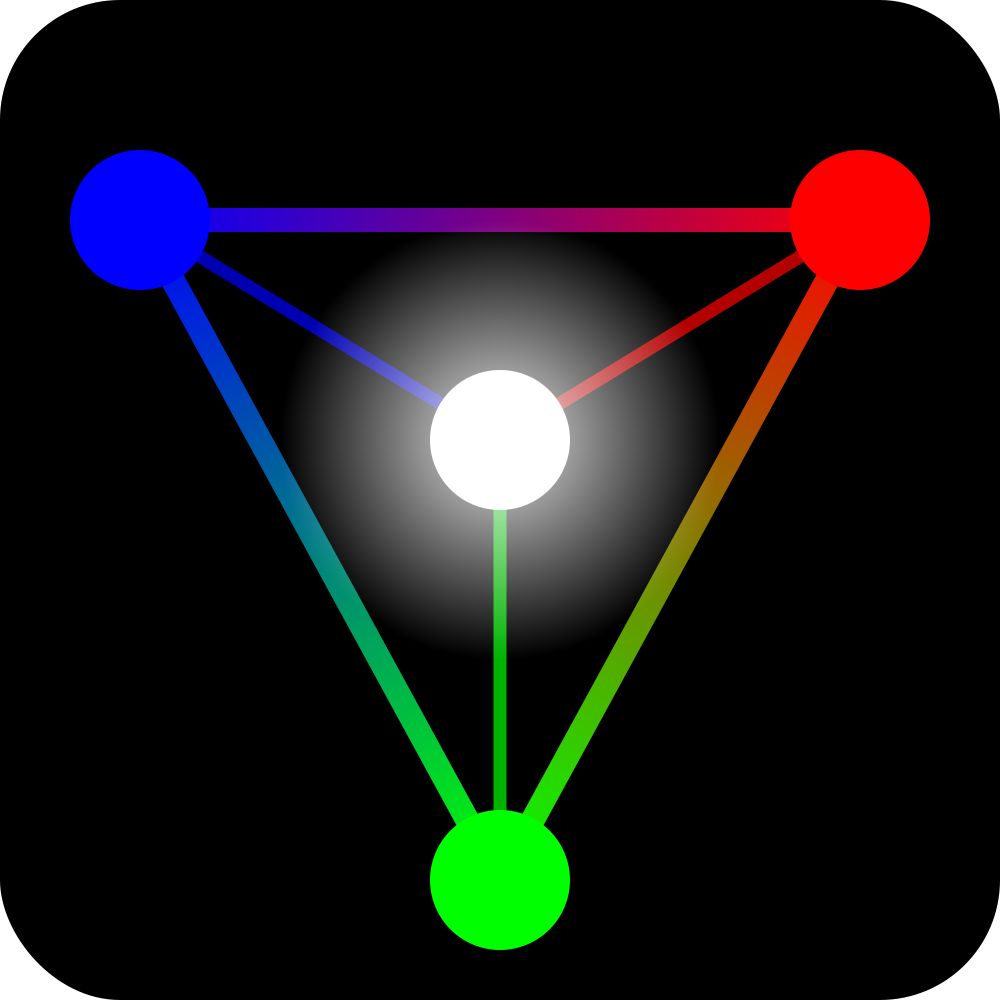
It is the part of you that decides, acts, and takes responsibility. It is also where you are aware of your own needs, fear, and limits.
When first person runs too bright and the others run dim, everything becomes about control and what you want, and other people start to look like tools for getting it. When it runs too dim, you can see what is needed and still be unable to act.
First person is also where compassion becomes action. Compassion draws on all three perspectives: witnessing what is happening, measuring it against a standard, feeling what the other person feels, and using your own agency, your will and power, to act. The order is not the same for everyone. Each person has their own activation process, the mental sequence that turns what they notice into what they do, and part of this work is learning yours.
That is why compassion can go either way. Two people can feel equally genuine compassion and act in opposite directions. Usually the disagreement comes down to the standard each one measured against, not to how much they care. When that standard is true and steady, compassion looks like someone who stays patient and kind under pressure and still does not move. When it is mistaken or keeps shifting, the same sincere care can lead someone boldly in the wrong direction and cause real harm, sometimes to themselves.
If there's a gap between who you mean to be and how you live, you don't have to work through it alone. Help is an email, a message, or a phone call away.